
How to Keep Cash Flowing When Everything Else Feels Uncertain
Cash flow is such an important topic for business owners, and right now, cash flow pressure is especially intense with costs rising, supply…


If you are thinking about starting a business right now, you are not alone. With job instability, rising costs, and a general sense that traditional employment doesn’t feel as stable as it once did, many are rethinking work right now. More people are asking whether starting a business makes sense for them – if it will give them more financial security over the longer term. It’s a fair question, and the honest answer is that it depends on both this moment and your own motivations.
Start by Understanding What’s Driving You
Before making any decisions, it helps to get clear on what’s bringing you to this question now. For some, the motivation comes from pressures of work feeling unstable, costs continuing to rise, and not enough income to cover living expenses. So, starting a business feels like a necessary move. For others, it’s more about an idea that’s been developing, a desire to build something aligned with personal values, or a path toward more independence. Your starting point may lead to different ways of making decisions about building a business. Pressure can push people to move faster than they’re ready to. Intention tends to create more space for planning, testing, and learning. Taking time to understand what’s driving you can help you move forward more deliberately.
What This Moment Actually Means for Starting a Business
It’s important to be honest about the current context. Costs are higher than they were a few years ago, customers are more cautious about spending, and access to capital remains limited, especially for first-time entrepreneurs. Policy changes at the national level are also creating real uncertainty for business owners. Artificial intelligence is also reshaping entire industries – disrupting knowledge-based work like consulting, coaching, and administrative services – while creating new opportunities for businesses that are paying attention to what’s changing. Uncertainty can be an opening for entrepreneurs who are paying close attention to what people actually need right now.
What Readiness Actually Looks Like
Readiness isn’t about having everything figured out. It’s about how you approach the process. People tend to be in a strong position to start when they have a clear sense of the problem they want to solve, who they want to serve, and are willing to test ideas in small practical ways rather than investing heavily upfront. That might look like a home repair provider starting with a handful of referral clients as a side business on weekends. It’s also important to understand that running a business requires building new skills around finances, pricing, and marketing and an openness to learning them. Just as importantly, it requires showing up consistently. Starting a business is not a single decision. It’s an ongoing practice of showing up, doing the work, making adjustments, and continuing even when things don’t go as planned.
When It Might Make More Sense to Wait
There are situations where slowing down is the more strategic choice. If you don’t have a business concept, your concept is shifting significantly week to week, or your concept depends on market conditions that don’t exist right now, then more exploration is needed. If you’re avoiding the financial side of the business, that’s a mindset to address before moving forward. If you’re expecting immediate or stable income, it’s worth resetting those expectations, particularly in the current environment. Time is also a real factor as building a business requires consistent attention and effort, even at a small scale. If you don’t have a feasible idea, the mindset, and the time, now may not be the right time to start a business.
You Don’t Have to Go All In
The most common path right now isn’t quitting your job to start a business – it’s starting your business at the same time. Around 40–45% of U.S. workers report having a side business, and a large share of new business activity is solo, part-time, or early-stage. People are testing ideas while keeping their income stable, then deciding whether to commit more fully once they’ve learned what works. That’s not just hedging; it’s a smart move. Especially in an environment where health insurance, capital access, and economic uncertainty make a full leap harder to justify, starting as a layer on top of employment is often the more sustainable path.
The Skills That Matter Most Right Now
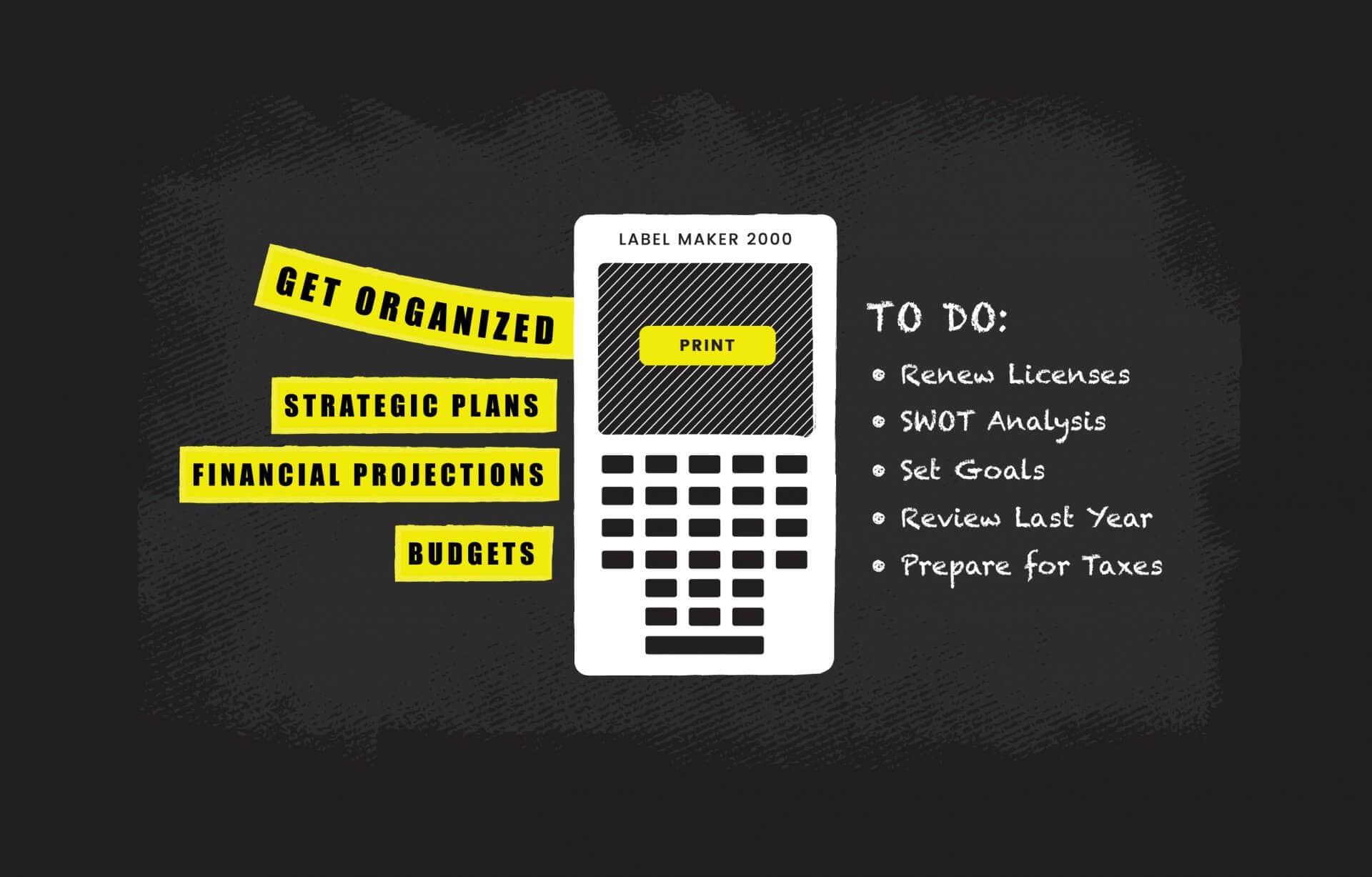
Passion and motivation are important, but they aren’t enough on their own. Without a handle on your numbers, it’s easy to underprice your work, run out of cash, or not know whether your business is actually working. Understanding your finances, managing cash flow, pricing sustainably, and being able to reach and communicate with your customers are skills that become even more important when conditions are uncertain. They’re not things anyone is expected to know from the beginning, but ignoring them early is one of the most common reasons businesses struggle. The good news is they can be learned, and building them through workshops, peer networks, and hands-on advising provides more insight on how to navigate current business conditions while making the process a lot less lonely.
Taking the Next Step
There’s no universally right time to start a business – only the time that aligns with your readiness, your resources, and your willingness to engage with the process. And right now, that’s genuinely hard to assess. That’s not a reason to wait indefinitely, but it is a reason to be honest with yourself about where you are. The entrepreneurs who tend to do well in uncertain times aren’t the ones who moved fastest. They’re the ones who took the time to start with the clearest picture of what they were getting into.




Uptima Entrepreneur Cooperative is approved to operate by the California Bureau for Private Postsecondary Education (BPPE). Approval to operate applies only to programs offered in the State of California. For more information, visit the Bureau for Private Postsecondary Education (BPPE): https://www.bppe.ca.gov/
Mailing / Administrative Address
2323 Broadway, Oakland, CA 94612
Email: info@uptimacoop.com
Phone: (510) 227-7027
© 2026 Uptima Entrepreneur Cooperative
