
Should You Start a Business Right Now? A Realistic Guide
If you are thinking about starting a business right now, you are not alone. With job instability, rising costs, and a general sense…


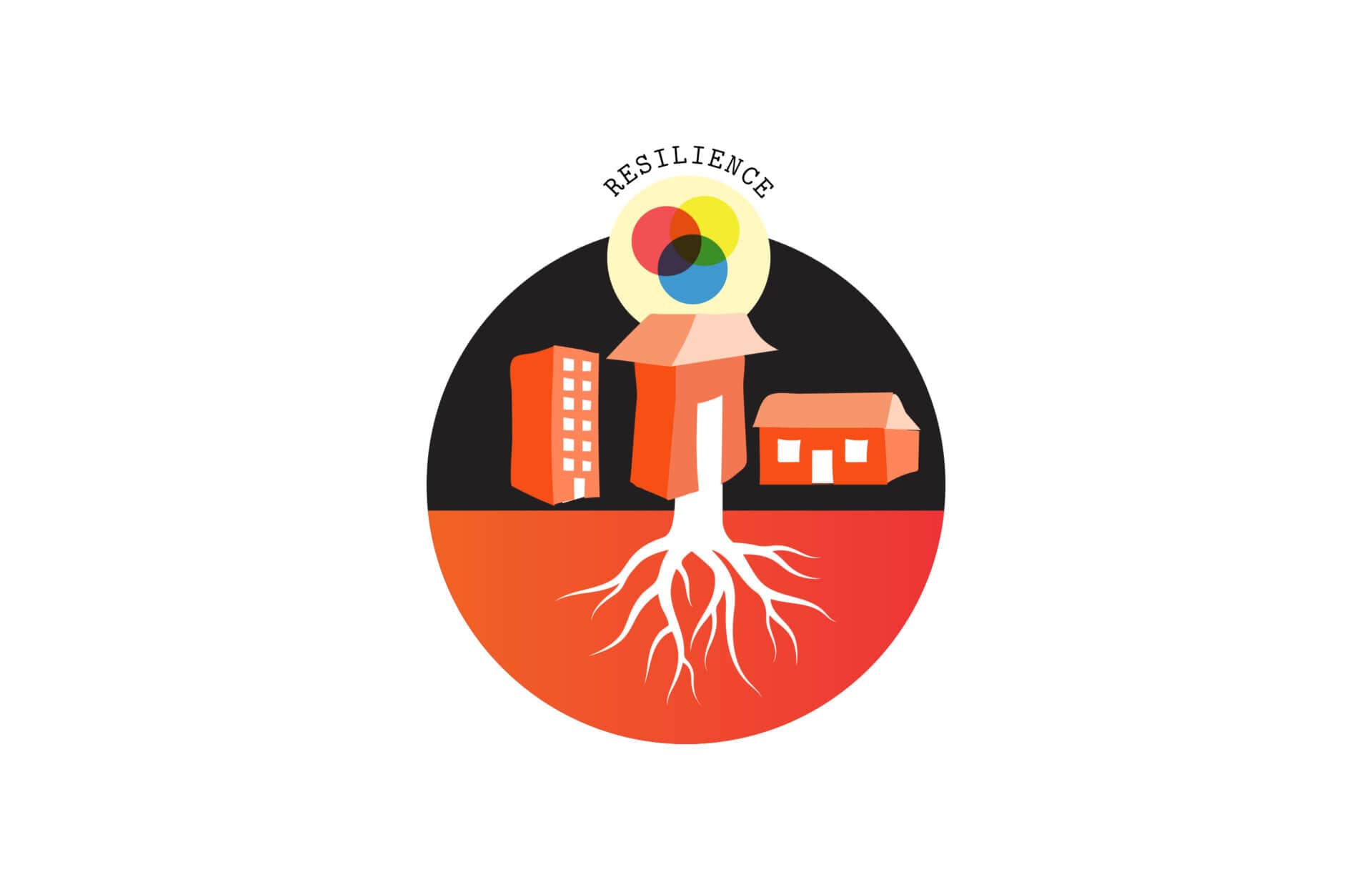
Anyone keeping up with the news knows we’re living through a turbulent moment. Costs are rising, supply chains are unstable, workers are being displaced, and communities are being torn apart. The extractive economic model – the one that concentrates wealth at the top while leaving the rest of us to absorb every shock – is failing.
Whenever I’m feeling overwhelmed by everything happening, I remember the deep wisdom my parents offered me. They reminded me of the power I have right now. This may seem counterintuitive given the uncertainty of our times, but they are right. Being an entrepreneur is a powerful position right now!
For me, what this moment reveals is that we don’t have to accept this economy. We have the power to build something better. From organizing for workers’ rights to supporting mutual aid networks, many of us have been taking action for economic justice. This is movement work. And entrepreneurship, when rooted in solidarity economics, can be part of that movement.
Entrepreneurship is Part of the Movement
Building a just economy takes all of us – activists, artists, policymakers, healers, and entrepreneurs who see our businesses as part of a larger struggle for economic justice. As entrepreneurs, we make decisions every day about who owns equity, how we share profits and power, where we bank, and how we treat workers. These aren’t just business decisions. They’re choices about what kind of world we’re creating. When we model cooperative ownership, democratic governance, and community accountability, we demonstrate that alternatives are possible.
This Moment is Hard
Let’s be real. If you’re running a small business, you’re carrying all of this while being chronically underresourced and undercapitalized. You’re competing with corporations that have access to less expensive capital and teams of specialists, while you’re bootstrapping and wearing every hat. Talking about building solidarity economy businesses when you’re already stretched thin seems counterintuitive. I get that it can feel like one more impossible thing. But solidarity economics isn’t about adding more to your plate. It’s about doing business differently in ways that can actually make things more sustainable. It’s about building mutual support instead of going it alone.
What This Can Look Like
So what does this actually look like when you’re already maxed out? Start where you are. This might mean shifting your business accounts from a large bank to a credit union or community bank that works in your community. If you’re being hit with high materials costs because of inflation or tariffs, consider getting together with other businesses in your community and pooling purchasing power to get advantages of scale. You might even look to strengthen your business’ work culture by exploring worker ownership, which may help you attract talent when you can’t compete on salary. Each step toward cooperation can make your business stronger and your load a little lighter.
Now’s the Time
Our communities need businesses that reflect our values and share power. We need business models that don’t require us to be superhuman to survive. Solidarity economics offers a way to build the economy we need while also building businesses that can actually sustain us – not through individualism, but through cooperation. So whether you’re growing an established business or sitting with a business idea, think about the ways your business can contribute to building a more just economy. Now’s the time to use your power as an entrepreneur. Your community needs you. And you don’t have to do it alone. That’s the whole point.
Image Attribution: copyright krasimiranevenova / 123RF Stock Photo





Uptima Entrepreneur Cooperative is approved to operate by the California Bureau for Private Postsecondary Education (BPPE). Approval to operate applies only to programs offered in the State of California. For more information, visit the Bureau for Private Postsecondary Education (BPPE): https://www.bppe.ca.gov/
Mailing / Administrative Address
2323 Broadway, Oakland, CA 94612
Email: info@uptimacoop.com
Phone: (510) 227-7027
© 2026 Uptima Entrepreneur Cooperative
