
Should You Start a Business Right Now? A Realistic Guide
If you are thinking about starting a business right now, you are not alone. With job instability, rising costs, and a general sense…



We’re living through one of the most challenging economic and political environments small business owners have faced in years. Immigration enforcement is disrupting businesses and entire communities. Trade policy is in flux, with tariff decisions being contested in the courts even as new ones take effect. Interest rates remain elevated and federal small business support has been scaled back. That’s why we’re sharing these tips for building business resilience.
Keep Up with the News
With the ongoing immigration enforcement actions, trade policy changes, and shifts in federal funding, it’s important to stay up to date on the news. While it’s a lot to take in on any given day, knowing what’s going on will help you understand the environment for your industry, customers, workers, partners, and funders, so you can prepare for any changes that may affect your business.
Cultivate Foresight
Foresight is the ability to predict what may be needed in the future. Having foresight can enable you to take advantage of opportunities and potentially avoid problems that trap other businesses. You can cultivate foresight by observing what’s happening, identifying trends, and using that information to develop scenarios for how to adapt your business.
Focus on What You Can Influence
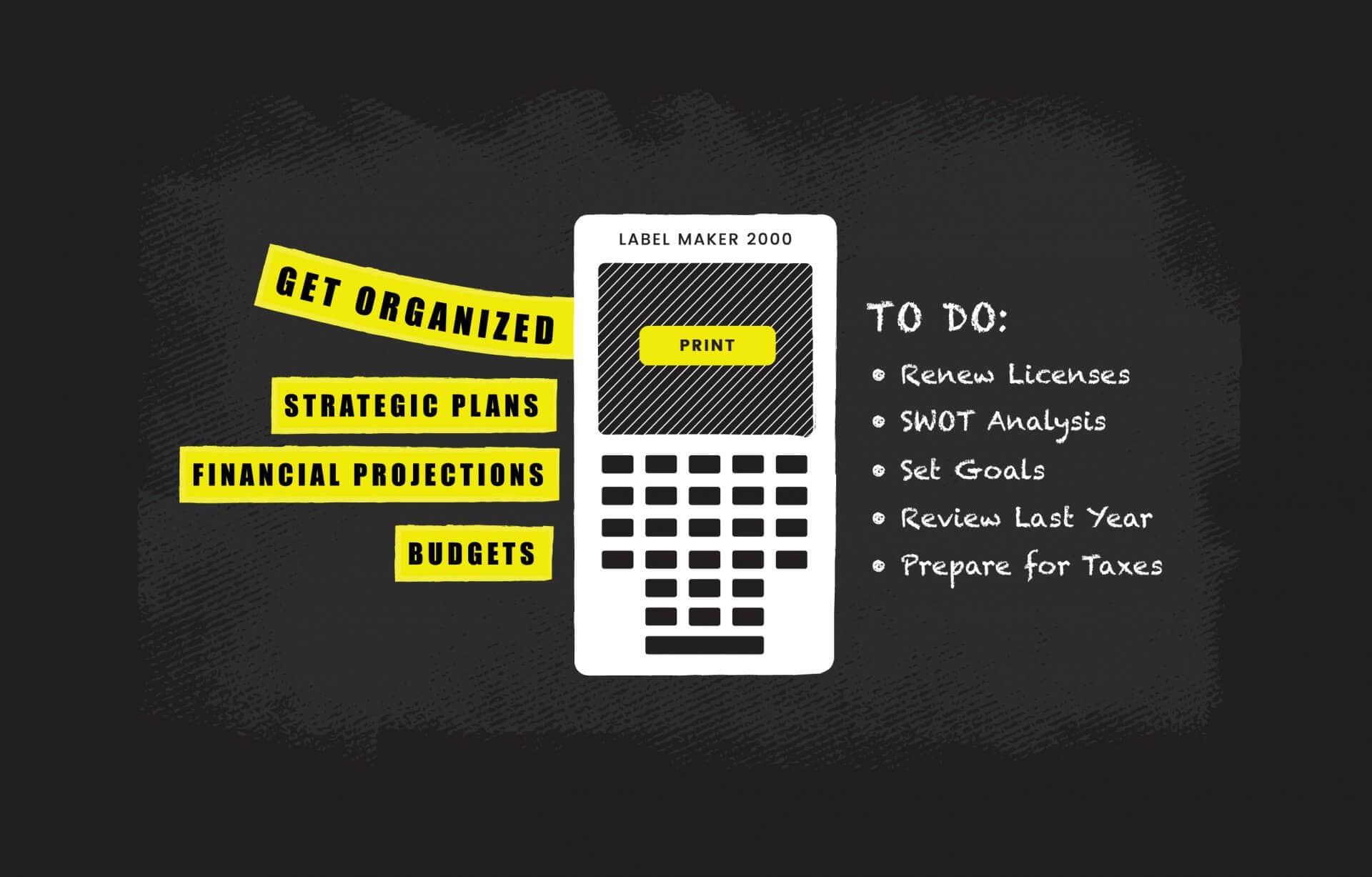
In the current environment, there are many things that are beyond your control. And if you place your attention on the things you can’t control, you will likely feel even more stressed and stretched. Make a list of the things that you can have influence over, such as staying organized, diversifying your supply chains, maintaining your customer relationships, and supporting your workers. And, let go of the things you can’t influence.
Embrace a Growth Mindset
Your mindset is your way of thinking. Your way of thinking can either empower or limit you in the current environment. If you embrace a growth mindset, you will see these disruptions as opportunities to rethink how your business does things, develop a more sustainable business model, and build a strong community around your business.
Practice Regular Reflection
Develop a regular practice of taking the time to step back and reflect on what’s working, what’s not working, and opportunities for improvement. If this is a regular practice within your business, you may be able to spot potential shocks to your business sooner and have a quicker response to them.
Reconnect with Purpose
As you think about how your business may need to adapt, it’s important to reconnect with purpose. Ask yourself if these adaptations are aligned with your business’ mission, vision, and values, as well as how your business fits with your personal needs. It’s hard enough to make changes in a stable environment, but in this one, leading from your values is what will keep you grounded and keep your community with you.
Design Small Tests
Design small tests of your proposed changes. You can preserve financial and other resources and gain more confidence in your changes by quickly developing and measuring small tests of new business initiatives before scaling. Whether you’re piloting a new revenue stream, testing a cooperative buying arrangement with neighboring businesses, or trying out a new pricing structure, start small and learn fast.
Develop Systems for Tracking Data
In a rapidly shifting environment, having solid systems for tracking business data is essential. Business owners who can quickly access their marketing, sales, financial, and human resources data are better positioned to spot trends, make informed decisions about current operations and adapt before small problems become big ones.
Document Operations
With everything else you have to do as a business owner, documenting standard operating procedures and continuity plans may not feel urgent. But having this documentation current allows you to maintain consistency, easily train new workers, and provide continuity if others need to step in.
Remember to Take Time to Rest
Building resilience requires rest. When you and your workers are exhausted, you all lack the cognitive resources to take in information and make good decisions. The pace of change right now is relentless, which makes intentional rest and self-care not a luxury, but a business strategy.






Uptima Entrepreneur Cooperative is approved to operate by the California Bureau for Private Postsecondary Education (BPPE). Approval to operate applies only to programs offered in the State of California. For more information, visit the Bureau for Private Postsecondary Education (BPPE): https://www.bppe.ca.gov/
Mailing / Administrative Address
2323 Broadway, Oakland, CA 94612
Email: info@uptimacoop.com
Phone: (510) 227-7027
© 2026 Uptima Entrepreneur Cooperative
